
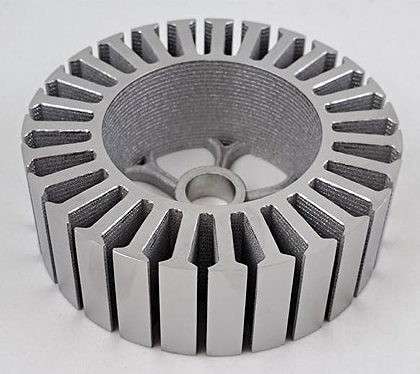
Magnetic powder could be used to 3D-print motor parts
 29 January 2024
A European project has developed an iron silicon powder which can be used to 3D-print components for electric motors. This could increase their efficiencies and… Read More
 29 January 2024
A European project has developed an iron silicon powder which can be used to 3D-print components for electric motors. This could increase their efficiencies and… Read More
 26 October 2023
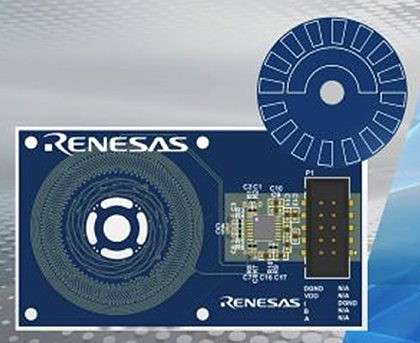
The Japanese semiconductor specialist Renesas has developed an inductive motor position sensing technology to rival the costly magnetic and optical encoders commonly used in motor… Read More
 16 June 2023
The Japanese manufacturer IHI has developed a “breakthrough” prototype high-flux plastic magnet rotor for use in ultra-high-speed motors, that would be would be efficient, lightweight… Read More
 18 October 2022
An Australian start-up company is developing a new generation of smaller, lighter and more efficient electric motors based on a new magnetic material called Aeroperm… Read More
 26 July 2022
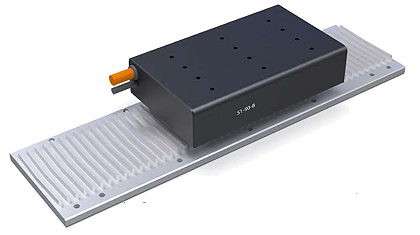
UK-based Motion Control Products (MCP) has announced what it claims are the first linear motors that do not have any magnets in their tracks, thus… Read More
 9 June 2022
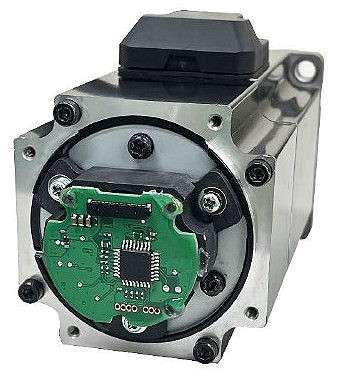
Nidec has developed a technology for detecting the position of motor rotors that, it claims, combines the high accuracy of optical encoders with the low… Read More
 7 June 2022
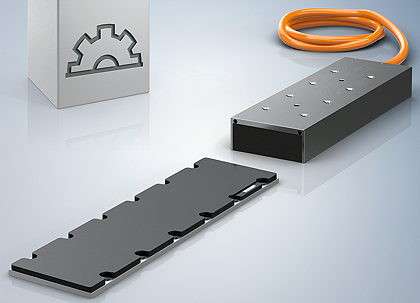
The German automation specialist Beckhoff has developed a software tool that makes it possible to use linear motors for precision applications such as milling or… Read More
 21 February 2022
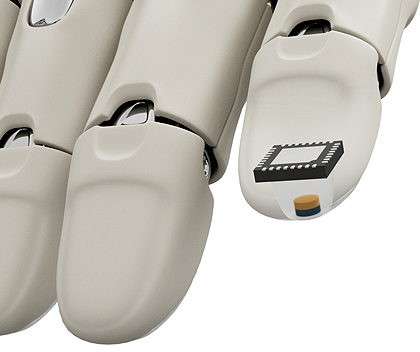
A Belgian microelectronic sensor specialist has developed tactile 3D sensor for robots that will make their grippers sensitive enough for delicate operations such as picking… Read More
 13 December 2021
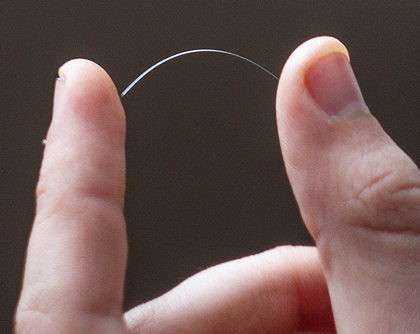
A Slovak company claims to have come up with the world’s smallest passive wirelesss sensor technology, which can directly measure variables such as pressure, temperature… Read More
 10 May 2021
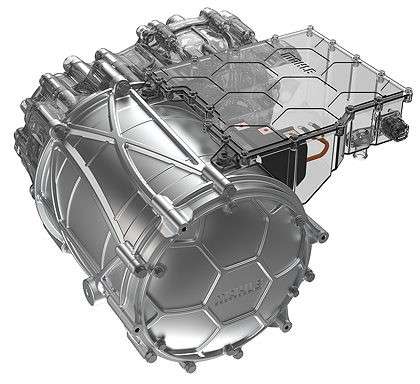
The German automotive powertrain supplier Mahle is developing a magnet-free motor that, it claims, will operate with an efficiency of more than 95% at almost… Read More
